Most network budgets in Kenya fall apart at the same point. Someone prices the routers, gets a number, and stops there. Then the network goes live, and half the classrooms cannot hold a video call. Router prices in Kenya look manageable on a spreadsheet until you divide the cost across the number of rooms that actually need coverage. That single division changes everything about how you buy.
Here is why the per-access-point view matters. A router priced at KSh 2,600 and a gateway priced at KSh 22,000 sound like wildly different purchases. Divide each across the sites they can realistically serve, and the gap narrows fast. Router prices in Kenya mean very little without knowing how many devices, rooms, and buildings are behind each unit.
Why Router Price Per Site Beats Router Price Per Unit
Ask two questions before you compare any two models.


- How many simultaneous devices will this unit carry
- How many physical spaces does it need to reach
A school with 12 classrooms and 400 students is not buying one router. It is buying one gateway plus access points, and the gateway is the smaller line item. That may sound obvious. It gets missed constantly, and the result is a network that technically works and practically does not.
See also: How to Choose Bedroom Furniture That Matches Your Lifestyle
Router Price Bands in Kenya and What Each Band Really Covers
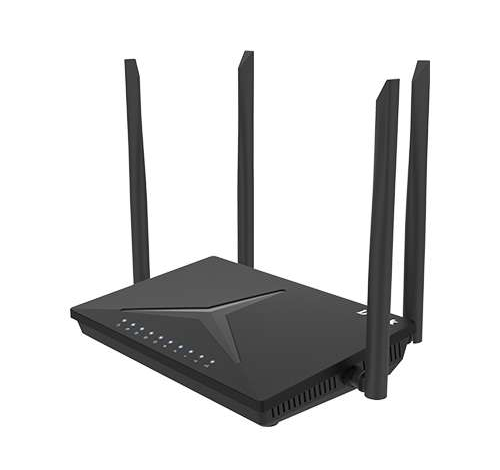
Entry band, KSh 2,600 to KSh 4,000: D-Link AC750 and AC1200 units sit here. Fine for a small office of six or eight people in one room. Not fine for anything with walls between users.
Mid band, KSh 5,500 to KSh 8,000: This is where things get interesting for multi-site work. The Ubiquiti UCG-Max lands at KSh 5,500 and handles central management across sites. A 4G LTE SIM router runs around KSh 8,000 and matters more than most buyers expect.
Managed band, KSh 21,000 to KSh 22,000: The UXG-Lite and UCG-Ultra sit here. One controller, many sites, one dashboard.
Enterprise band, KSh 40,000 and up: Cloud controllers and core routing for organizations running many branches.
Now divide. A KSh 22,000 gateway across eight branch offices works out to KSh 2,750 per site for the routing layer alone. Suddenly the entry band looks expensive, because you would need eight separate units and eight separate headaches.
What NGOs and Schools Forget in the Router Budget
This is where most procurement plans quietly go wrong. The router is roughly 30 percent of the network cost. The rest hides in places nobody itemized.
- Access points for each covered space
- Power injectors where mains sockets are missing
- Cabling runs between floors and blocks.
- Mounting hardware and cabinets
- A backup connection for exam days and donor reporting deadlines
That backup point deserves attention. An NGO submitting a donor report on a hard deadline cannot afford a fiber cut. A school running national online assessments cannot either. An LTE SIM router at KSh 8,000, serving as a failover line, is cheap insurance against a very expensive bad day.
Ask yourself a direct question. If your main link died at 9 am on your busiest morning, what would that actually cost you in lost work, lost credibility, or a missed reporting window? Most organizations have never priced that number. It is almost always larger than the router budget.
Budgeting Per Access Point: A Working Method
Use this sequence.
- Count the spaces needing coverage, not the buildings. A classroom is a space. A hall is two or three.
- Assign roughly one access point per 25-30 concurrent users, or fewer in rooms with thick walls.
- Choose a gateway that manages all sites centrally rather than one router per location.
- Add 20 percent for cabling, power, and mounting.
- Add a failover line if any deadline in your calendar is immovable.
A 12-classroom school might have access to nearly 14 access points, one managed gateway, and a failover SIM router. The gateway is a small slice of that. The access point count drives the budget.
Multi-Site Offices and the Hidden Cost of Cheap Routers
Running six branches on six unmanaged consumer routers means six separate logins, six firmware schedules, and no single view of what is happening. Someone spends their week driving between offices. That labor cost never appears in the original quote, yet it repeats every month for years.
Centrally managed gateways in the KSh 5,500- KSh 22,000 range remove that. One dashboard, all sites. The purchase price is higher, and the running cost is far lower. Not every organization needs this. A two-site setup might not. At four sites and above, the maths stops being close.
Next Steps for Your Router Budget
Start with the space count, not the price list. Then match brands to your management needs. TP-Link and D-Link serve single-site work well. MikroTik, Ubiquiti, and Cisco earn their price when multiple sites and central control enter the picture.
Prices shift with stock and exchange rates, so treat any figure as a planning guide rather than a quote. Confirm current pricing and stock before you commit a budget line, and check whether the model you want is available in the quantity you need.