Neurological health is one of the most complex and often misunderstood areas of medicine. From persistent headaches and unexplained dizziness to more serious conditions like epilepsy, multiple sclerosis, or Parkinson’s disease, the nervous system governs virtually every function of the human body. Knowing when to seek specialist care — and understanding what that care involves — can make a profound difference in outcomes. Whether you are managing a chronic condition or experiencing new and alarming symptoms, navigating the path to diagnosis and treatment requires both knowledge and access to the right medical professionals.
The Nervous System: Why It Demands Specialized Attention
The human nervous system is an extraordinarily intricate network comprising the brain, spinal cord, and billions of peripheral nerves. Unlike many other organ systems, neurological conditions can manifest in subtle, overlapping ways that make self-diagnosis nearly impossible and general practitioner assessment insufficient in many cases. A headache might be tension-related or it might signal a vascular abnormality. Numbness in the hands could be carpal tunnel syndrome or the early sign of a demyelinating disease. This complexity is precisely why neurologists undergo years of specialized training beyond general medical education.
Neurological disorders are also among the leading causes of disability worldwide. According to global health data, conditions affecting the brain and nervous system account for a significant proportion of years lived with disability. Early and accurate diagnosis is therefore not merely a clinical priority — it is a quality-of-life imperative. The sooner a condition is identified and properly classified, the sooner targeted treatment can begin, often preventing progression or irreversible damage.


Common Symptoms That Warrant a Neurological Evaluation
Headaches and Migraines
Chronic or severe headaches are among the most frequent reasons patients seek neurological consultation. While occasional tension headaches are common and benign, migraines with aura, cluster headaches, or sudden “thunderclap” headaches require thorough evaluation. A neurologist can distinguish between primary headache disorders and those secondary to structural or vascular causes, tailoring treatment accordingly.
Memory Loss and Cognitive Decline
Forgetfulness is a normal part of aging, but progressive memory loss, confusion, or changes in personality may indicate conditions such as Alzheimer’s disease, vascular dementia, or other neurodegenerative disorders. Early neurological assessment allows for cognitive testing, imaging, and biomarker analysis that can identify these conditions at stages where intervention is most effective.
Seizures and Epilepsy
A first-time seizure is always a medical emergency and requires prompt neurological evaluation. Even if a seizure resolves without intervention, understanding its cause — whether structural, metabolic, or idiopathic — is essential for preventing recurrence and determining whether antiepileptic therapy is appropriate.
Movement Disorders and Tremors
Tremors, rigidity, slowness of movement, or involuntary muscle contractions can be signs of Parkinson’s disease, essential tremor, dystonia, or other movement disorders. These conditions respond differently to various treatments, and accurate diagnosis by a specialist is critical for effective management.
The Role of Diagnostic Procedures in Neurological Care
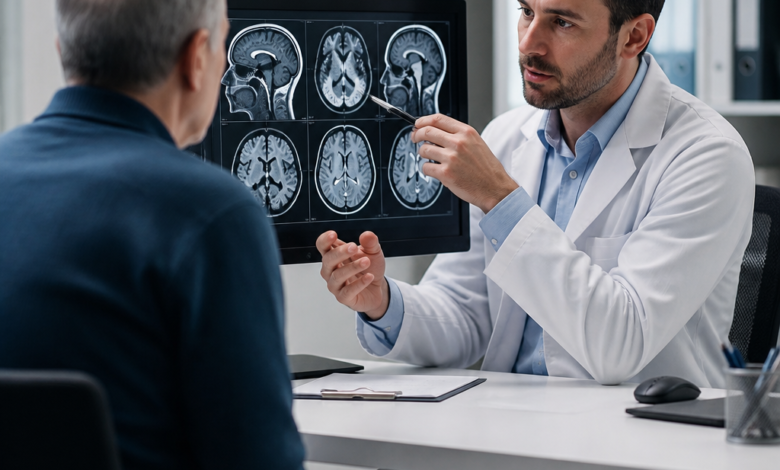
Modern neurology relies heavily on advanced diagnostic tools. MRI and CT imaging allow clinicians to visualize brain and spinal cord structures in remarkable detail. Electroencephalography (EEG) records electrical activity in the brain and is indispensable in diagnosing epilepsy and sleep disorders. Nerve conduction studies and electromyography assess the health of peripheral nerves and muscles. Lumbar puncture, or spinal tap, provides cerebrospinal fluid for analysis in cases of suspected infection, inflammation, or certain cancers.
The integration of these tools with a thorough clinical history and neurological examination forms the foundation of diagnosis. Just as patients with gastrointestinal concerns benefit from timely specialist referral — as explored in this article on private gastroscopy for faster diagnosis — those with neurological symptoms benefit enormously from prompt access to specialist-level evaluation rather than prolonged general practitioner management alone.
Specialist Neurological Care in Abu Dhabi
For residents and visitors in the UAE seeking expert neurological consultation, access to world-class care is increasingly available within the region. Consulting a qualified neurologist abu dhabi at a reputable institution ensures that patients receive evidence-based diagnosis and treatment aligned with international standards. Cleveland Clinic Abu Dhabi’s Neurological Institute brings together subspecialty-trained neurologists, neurosurgeons, and allied health professionals to address the full spectrum of nervous system disorders — from common conditions to rare and complex cases requiring multidisciplinary collaboration.
Cleveland Clinic Abu Dhabi: A Center of Neurological Excellence
Cleveland Clinic Abu Dhabi is part of the globally recognized Cleveland Clinic network, renowned for its commitment to patient-centered care, clinical innovation, and research excellence. The Neurological Institute at this facility offers comprehensive services including neurology, neurosurgery, neuroradiology, neuropsychology, and neurorehabilitation. Patients benefit from a coordinated care model where specialists across disciplines collaborate to develop individualized treatment plans.
The institute is equipped with state-of-the-art diagnostic and surgical technology, including advanced intraoperative imaging, robotic-assisted surgical platforms, and dedicated epilepsy monitoring units. This infrastructure supports not only accurate diagnosis but also complex interventions such as deep brain stimulation for movement disorders, minimally invasive spine surgery, and comprehensive stroke care. The team’s commitment to continuous education and adherence to evidence-based protocols ensures that patients receive care consistent with the highest global standards.
Recovery and Long-Term Management After Neurological Treatment
Receiving a neurological diagnosis or undergoing neurological surgery is rarely the end of the journey — it is often the beginning of a carefully managed recovery process. Rehabilitation plays a central role in restoring function after stroke, traumatic brain injury, or spinal cord conditions. Physical therapy, occupational therapy, speech and language therapy, and neuropsychological support are all components of a comprehensive recovery plan.
Patients and caregivers navigating post-treatment recovery can benefit from structured guidance. Resources such as this smart guide to surgery recovery from AARP offer practical, evidence-informed advice on managing the physical and emotional dimensions of recuperation. Understanding what to expect, how to communicate with your care team, and how to optimize healing at home can significantly improve outcomes and reduce the risk of complications.
Empowering Patients Through Knowledge and Access
One of the most important shifts in modern healthcare is the move toward informed, engaged patients. When individuals understand their conditions, the rationale behind diagnostic tests, and the goals of treatment, they are better equipped to participate meaningfully in their own care. This is particularly true in neurology, where conditions can be chronic, fluctuating, and emotionally challenging.
Healthcare providers, in turn, have a responsibility to communicate clearly, offer realistic expectations, and ensure that patients have access to the resources they need — not just within the clinic walls, but in their daily lives. Support groups, digital health tools, and caregiver education programs all contribute to a more holistic model of neurological care.
Conclusion: Prioritizing Neurological Health
Neurological conditions affect millions of people globally, yet many go undiagnosed or undertreated due to lack of awareness, delayed referral, or limited access to specialist care. Recognizing the warning signs, seeking timely evaluation, and connecting with experienced neurologists are the most important steps any individual can take to protect their neurological health. Whether you are dealing with a new symptom or managing a long-standing condition, the quality of specialist care you access will shape your trajectory. In Abu Dhabi and across the UAE, world-class neurological expertise is within reach — and taking that first step toward consultation could be among the most consequential decisions you make for your long-term wellbeing.