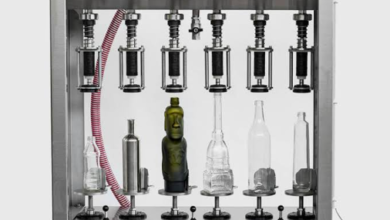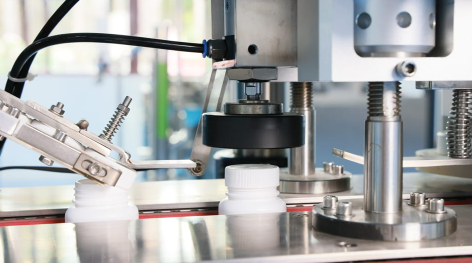
An automatic capping machine represents one of the larger capital investments in a packaging line upgrade, with prices ranging from around $25,000 for a basic inline system to over $300,000 for a high-speed rotary or monoblock configuration. This guide breaks down what actually drives that price range, helps you estimate a realistic return on investment specific to automation, and outlines costs beyond the machine’s sticker price, so you can build an accurate business case before committing capital.
What Determines the Price of an Automatic Capping Machine
Capping Mechanism Complexity
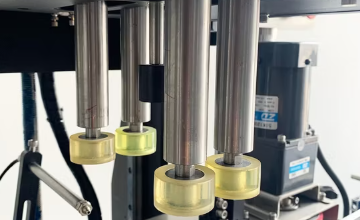
Chuck-based systems, which apply precise individual torque control, generally cost more per unit of throughput than simpler spindle systems, though the right choice depends on your closure’s sensitivity to torque variation rather than price alone.
Configuration Type
Inline systems are generally the most cost-effective automatic configuration; rotary systems cost more due to their multi-head simultaneous operation, and monoblock systems (combining filling and capping) represent the highest investment tier but eliminate a separate handling step.


Cap Feeding System Sophistication
More sophisticated cap feeders capable of reliably handling irregular or lightweight cap shapes cost more than basic vibratory feeders designed for simple, uniform screw caps.
Torque Verification and Reject Systems
Machines with integrated torque or seal verification, along with automatic reject mechanisms for out-of-spec units, cost more than basic systems without this quality control layer, but reduce downstream quality risk significantly.
Throughput Speed
As with most automated packaging equipment, higher-speed systems command a substantial price premium over standard-speed configurations due to increased mechanical precision requirements at higher cycle rates.
Industry-Specific Compliance Features
Machines built for regulated industries, pharmaceutical child-resistant closures, and ROPP tamper-evident capping for spirits typically cost more than general-purpose equipment due to the additional engineering and compliance validation involved, often shaped by requirements outlined by bodies like the FDA.
See also: Pouch Packing Machine: Working Principle, Types, Applications, and Benefits
Typical Price Ranges by Machine Category
| Machine Category | Typical Price Range | Configuration |
| Basic inline automatic capper | $25,000 – $60,000 | Inline, standard screw caps |
| Automatic chuck capper with verification | $50,000 – $110,000 | Inline, precision torque control |
| Automatic ROPP capper | $60,000 – $140,000 | Inline/rotary, tamper-evident aluminum caps |
| Rotary automatic capper (high-speed) | $100,000 – $250,000+ | Rotary, high-volume production |
| Monoblock fill-and-cap system | $150,000 – $350,000+ | Combined filling and capping |
Costs Beyond the Machine’s Purchase Price
- Installation and commissioning: typically 5-15% of machine cost, including calibration and integration with existing line equipment.
- Changeover tooling: additional size- or closure-specific tooling for different container or cap formats is often priced separately from the base machine.
- Cap feeder customization: if your closure has an unusual shape or size, custom feeder tooling may add meaningfully to the initial project cost.
- Operator and maintenance staff training: automation shifts the skill requirement from manual capping labor to machine operation and troubleshooting, which typically requires a training investment during transition.
- Facility integration: conveyor modifications, compressed air supply, or electrical upgrades may be needed depending on the machine’s requirements and your existing line layout.
- Ongoing maintenance and spare parts: capping heads, feeder components, and sensors are wear items requiring periodic replacement based on production volume, generally consistent with machinery safety and durability expectations set out in standards such as those maintained by ISO.
Estimating Return on Investment for an Automatic Capping Machine
A realistic ROI estimate for an automatic capping machine typically weighs:
- Labor cost reduction: comparing the cost of manual or semi-automated capping labor against the significantly reduced labor requirement of full automation, often the largest single ROI driver for this equipment category.
- Increased throughput: additional production capacity that becomes valuable when current demand exceeds the capability of manual or semi-automated capping.
- Reduced product loss from capping failures: consistent automated torque application generally reduces leaks, seal failures, and associated product loss compared to manual processes.
- Reduced repetitive strain injury and staffing risk: automating a highly repetitive manual task can reduce injury-related costs and reduce dependency on hard-to-staff manual labor positions, though this is harder to quantify precisely in a simple payback calculation.
Most manufacturers estimate payback periods for a properly matched automatic capping machine in the 1-3 year range, with labor-intensive operations transitioning from fully manual capping typically seeing faster payback than those already using semi-automatic equipment. General guidance on structuring this kind of capital expenditure analysis is also available through resources like the U.S. Small Business Administration.
Cost and ROI Planning Flow
Estimate Current Capping Labor & Waste Costs Get Full-Scope Equipment Quotes Add Tooling, Installation, Training Costs Calculate Labor & Waste Savings Estimate Realistic PaybackPeriodCompare AgainstBudget/Financing Options
Common Costing Mistakes to Avoid
Comparing Machines on Sticker Price Alone
Two automatic capping machines priced similarly can have very different total costs once tooling, feeder customization, and training are factored in. Always request a full-scope quote rather than comparing base machine prices in isolation.
Underestimating Changeover Tooling Costs
Operations running multiple SKUs often discover that tooling for additional container or cap sizes wasn’t included in the original quote, adding unplanned cost after the initial purchase decision. Confirm tooling costs for every format you currently run before finalizing a budget.
Skipping a Formal ROI Calculation
Some buyers commit to automation based on general industry expectations rather than their own labor costs and production volume. A formal, facility-specific ROI calculation, rather than relying on typical industry payback ranges, gives a far more accurate picture of whether and when the investment pays off.
Building an Accurate Business Case
The most reliable business case for an automatic capping machine combines a full-scope equipment quote, realistic labor and waste savings specific to your facility, and a clear-eyed view of the additional costs, tooling, training, and facility integration that often don’t appear on the initial sticker price. Building this analysis before committing capital, rather than after installation reveals unexpected costs, is what separates a capping automation project that delivers on its projected payback from one that quietly underperforms expectations.