For thin, free-flowing liquids, a gravity liquid filling machine is often the simplest, most cost-effective, and most reliable filling method available, but knowing when gravity filling is actually the right fit, versus when a pump or piston system is needed instead, is the first decision buyers need to get right. This guide explains how a gravity liquid filling machine works, what products it’s best suited for, and what to evaluate before purchasing, so you invest in filling equipment that matches your product’s actual flow characteristics.
How a Gravity Liquid Filling Machine Works
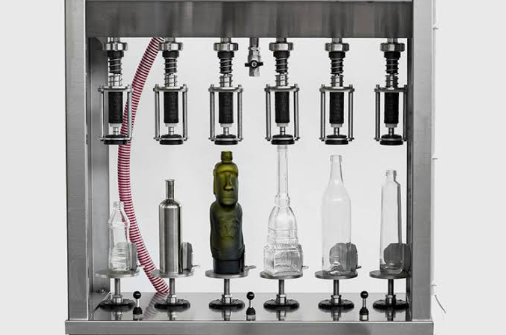
A gravity filling machine relies on the natural downward flow of liquid from an elevated holding tank or reservoir into containers positioned below, using gravity rather than pumps, pistons, or pressure to move the product. Flow is controlled through valves that open and close based on time, volume, or level sensors, making the mechanism itself relatively simple compared to pressure-based or pump-driven filling systems. This simplicity is part of why gravity filling remains a go-to recommendation in general filling equipment buyer guidance published by industry groups such as PMMI, the Association for Packaging and Processing Technologies.
See also: How Affordable Supplements Can Help You Achieve a Healthier Lifestyle


What Products Are Best Suited for Gravity Filling
Gravity filling works best with thin, free-flowing, non-viscous liquids that move easily under their own weight, including:
- Water and water-based beverages
- Thin oils
- Light cleaning solutions and household chemicals
- Alcohol-based liquids like certain spirits or sanitizers
- Thin syrups and low-viscosity food liquids
Gravity filling is generally not well suited to thick, viscous, or foaming products, since these require more force than gravity alone can reliably provide for consistent, accurate fills.
Types of Gravity Filling Machines
Timed-Flow Gravity Fillers
Use a preset time interval to control how long the valve stays open, delivering a consistent fill volume based on flow rate and time rather than direct volume measurement. Simple and cost-effective, but less precise than volumetric methods if flow rate varies due to temperature or viscosity changes.
Level-Sensing Gravity Fillers
Use sensors to detect when the liquid reaches a specific fill level in the container, automatically closing the valve at that point. Offers more consistent fill levels across containers regardless of minor flow rate variation.
Overflow Gravity Fillers
Fill containers to a consistent level by allowing excess product to overflow back into a reservoir, ensuring uniform fill height regardless of container shape variation, commonly used for clear glass or plastic containers where consistent fill level is a visual quality expectation.
Comparing Gravity Filling Types
| Filling Type | Best For | Accuracy | Relative Cost |
| Timed-flow gravity filler | Simple, high-volume thin liquids | Moderate | Lower |
| Level-sensing gravity filler | Products needing consistent fill level | Higher | Moderate |
| Overflow gravity filler | Clear containers with visible fill line requirements | Highest for visual consistency | Moderate-Higher |
Key Factors to Evaluate Before Buying a Gravity Liquid Filling Machine
Product Viscosity Range
Confirm your product’s viscosity falls within the machine’s rated operating range; even “thin” liquids can vary enough in viscosity (due to temperature or formulation differences) to affect gravity filling consistency if the machine isn’t matched appropriately.
Fill Accuracy Requirements
If your product requires tight fill-weight or fill-volume tolerances for regulatory labeling compliance, confirm which gravity filling type (timed, level-sensing, or overflow) can reliably meet that tolerance for your specific container and product combination. In the US, fill accuracy expectations generally trace back to weights and measures standards maintained by NIST.
Container Compatibility
Confirm the machine’s adjustable range covers your current container sizes and shapes, particularly if you’re using non-standard or irregularly shaped containers that may affect overflow-style filling consistency.
Throughput Requirements
Gravity filling is generally slower than pressure- or pump-driven systems for a given accuracy level, so confirm the machine’s realistic throughput matches your production volume needs before committing.
Cleaning and Changeover
For operations running multiple products, evaluate how easily the tank, valves, and nozzles can be cleaned between product changeovers to avoid cross-contamination and minimize downtime. Facilities operating under FDA Good Manufacturing Practice guidelines should confirm the machine’s cleaning design supports their required sanitation validation process.
Typical Gravity Filling Process
Elevated HoldingTank/ReservoirGravity-Fed Flow to Valve Valve Control -Timed/Level/OverflowContainer FillingFill Verification – if equipped Filled Container Output
Machines built to internationally recognized machinery safety standards, such as those maintained by ISO, generally offer a more consistent baseline of build quality when comparing unfamiliar suppliers.
Common Buying Mistakes to Avoid
Assuming “Thin” Always Means Gravity-Compatible
Some products marketed as thin liquids still carry enough viscosity variation due to temperature, formulation, or suspended ingredients to behave inconsistently in a gravity system. Testing with your actual product before committing avoids this common miscalculation.
Overlooking Temperature Effects on Flow Rate
Timed-flow gravity fillers are particularly sensitive to temperature-driven viscosity changes, since they rely on a consistent flow rate rather than measuring fill level directly. If your facility experiences seasonal temperature swings, a level-sensing or overflow system is generally a safer choice.
Underestimating Speed Limitations
Gravity filling is inherently slower than pump or pressure-driven systems. Buyers scaling production volume sometimes discover too late that a gravity system can’t keep pace, making early throughput planning essential before investing.
Matching Gravity Filling to Your Production Scale
Small and mid-sized producers filling water-based beverages, thin cleaning solutions, or light oils often find a timed-flow gravity filler more than adequate, since it delivers reliable throughput at a lower equipment cost without the added complexity of sensors or overflow reservoirs. As product lines expand to include clear glass or plastic containers where visible fill consistency matters for retail presentation, upgrading to an overflow system typically becomes worthwhile despite the higher upfront cost.
Operations running multiple thin-liquid products on the same line should weigh cleaning and changeover time carefully, since gravity systems with simple valve designs are generally easier and faster to sanitize between product runs than more complex pump-driven alternatives, one of the practical advantages gravity filling retains even as production scales up.
Choosing the Right Gravity Liquid Filling Machine
The right choice comes down to matching your product’s actual flow characteristics, required fill accuracy, and production volume to the appropriate gravity filling type. For straightforward, high-volume thin liquids, a timed-flow system is often sufficient and cost-effective. For products needing tighter fill-level consistency or clear-container presentation, level-sensing or overflow systems are generally the better investment. Testing with your own product and container combination before purchasing remains the most reliable way to confirm a gravity liquid filling machine is the right fit for your line.