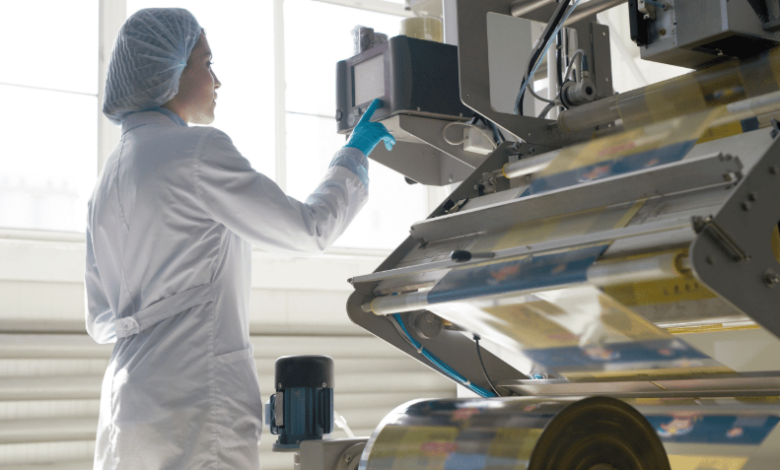
A Pouch Packing Machine is one of the most widely used packaging solutions for filling and sealing products into flexible pouches. It is designed to package a wide variety of products, including powders, granules, liquids, pastes, and solid items, while maintaining product quality, extending shelf life, and improving packaging efficiency. Today, pouch packaging has become increasingly popular because it offers convenience, reduces packaging material usage, and provides an attractive presentation for consumers.
Manufacturers across industries such as food and beverages, pharmaceuticals, cosmetics, chemicals, agriculture, and pet food rely on pouch packing machines to meet growing production demands. Compared to manual packaging, automated pouch packing systems improve speed, reduce labor costs, minimize product waste, and ensure consistent packaging quality.
Understanding how a Pouch Packing Machine works, its different types, applications, and selection criteria can help businesses choose the right equipment for their production requirements.

What Is a Pouch Packing Machine?
A Pouch Packing Machine is an automated packaging machine that fills products into pre-made or roll-fed pouches and seals them securely for storage, transportation, and retail sale. Depending on the machine design, it can package liquids, powders, granules, snacks, frozen foods, detergents, spices, coffee, tea, cosmetics, pharmaceuticals, and many other products.
The primary function of the machine is to create accurate package weights or volumes while producing airtight, leak-proof seals that protect the product from moisture, contamination, and environmental exposure. Modern pouch packing machines are designed to maintain packaging consistency while increasing production efficiency.
These machines are available in different configurations to suit small businesses, medium-sized manufacturers, and large industrial production facilities.
How Does a Pouch Packing Machine Work?
The working process of a Pouch Packing Machine depends on whether it uses pre-made pouches or forms pouches from a continuous roll of packaging film. However, the basic packaging sequence remains similar.
The process begins with the feeding of packaging material into the machine. In form-fill-seal systems, the machine forms a pouch from packaging film, while pre-made pouch machines automatically pick and open ready-made pouches.
Once the pouch is properly positioned, the product is accurately measured using an appropriate filling system. Different filling mechanisms are used depending on the product type. Powders are commonly filled using auger fillers, granules are measured with weighing systems, liquids are dispensed through liquid filling units, and solid products may use counting or volumetric systems.
After filling, the pouch moves to the sealing station where heat-sealing jaws close the package securely. Depending on the packaging design, the machine may also remove excess air, flush the pouch with nitrogen to extend shelf life, print batch information, or trim the sealed edges before discharging the finished package.
The entire process is completed automatically, allowing manufacturers to package products efficiently while maintaining consistent quality.
Types of Pouch Packing Machines
Pouch packing machines are available in several configurations, each designed for specific packaging applications and production requirements.
Vertical Form Fill Seal (VFFS) Pouch Packing Machine
A Vertical Form Fill Seal (VFFS) Pouch Packing Machine forms pouches from a continuous roll of packaging film, fills them with product, and seals them vertically in one continuous operation.
This type of machine is widely used for packaging powders, snacks, rice, sugar, spices, coffee, tea, flour, grains, frozen foods, and small consumer products. Its compact design and high production speed make it one of the most common packaging solutions across many industries.
Horizontal Form Fill Seal (HFFS) Pouch Packing Machine
A Horizontal Form Fill Seal (HFFS) Pouch Packing Machine performs similar operations but packages products horizontally. It is commonly selected for products that require larger pouches, delicate handling, or unique packaging designs.
This machine is frequently used for medical devices, bakery products, confectionery, ready-to-eat meals, and consumer goods that benefit from horizontal loading.
Pre-Made Pouch Packing Machine
A Pre-Made Pouch Packing Machine uses ready-made pouches instead of forming them from packaging film. The machine automatically picks up the pouch, opens it, fills the product, seals the package, and discharges the finished pouch.
This type of machine is popular among manufacturers using premium stand-up pouches, zipper pouches, spout pouches, flat-bottom pouches, and other high-quality packaging formats that enhance product presentation.
Common Pouch Styles
Modern pouch packing machines support a wide variety of pouch designs to meet different market requirements.
Some of the most commonly used pouch styles include stand-up pouches, pillow pouches, three-side seal pouches, four-side seal pouches, center seal pouches, gusseted pouches, zipper pouches, vacuum pouches, retort pouches, and spout pouches.
The choice of pouch style depends on the product being packaged, branding requirements, shelf display, storage conditions, and consumer convenience.
Products Packaged Using Pouch Packing Machines
A Pouch Packing Machine is capable of packaging numerous product categories across different industries.
In the food industry, these machines package rice, flour, sugar, salt, spices, pulses, coffee, tea, dry fruits, snacks, candies, biscuits, frozen foods, sauces, ketchup, cooking oils, dairy products, and instant food mixes.
The pharmaceutical industry uses pouch packing machines for packaging medical powders, oral rehydration salts, nutritional supplements, tablets, capsules, herbal medicines, and healthcare products.
Cosmetic manufacturers package face masks, creams, lotions, shampoos, conditioners, liquid soaps, gels, facial cleansers, and skincare products in flexible pouches.
Chemical manufacturers use pouch packaging for detergents, cleaning powders, liquid cleaners, agricultural chemicals, fertilizers, pesticides, industrial additives, and specialty chemicals.
Pet food manufacturers also use pouch packing machines for dry pet food, wet pet food, nutritional supplements, and animal feed products.
Advantages of a Pouch Packing Machine
The growing popularity of flexible packaging has significantly increased the demand for pouch packing machines. One of the biggest advantages of these machines is their ability to improve packaging efficiency while reducing production costs.
Automated pouch packing systems provide highly consistent filling accuracy, helping manufacturers reduce product giveaway and packaging errors. Reliable sealing also protects products from contamination, moisture, oxygen, and leakage, contributing to longer shelf life and improved product quality.
Another important advantage is production speed. Compared to manual packaging, automated pouch packing machines can package hundreds or even thousands of pouches per hour, depending on the machine configuration and product type.
Flexible packaging also requires less packaging material than rigid containers, helping businesses reduce transportation costs and storage space while supporting more sustainable packaging practices.
The versatility of modern pouch packing machines allows manufacturers to package multiple products using different pouch sizes and packaging materials with relatively simple machine adjustments.
Factors to Consider When Choosing a Pouch Packing Machine
Selecting the right Pouch Packing Machine requires careful evaluation of production requirements, product characteristics, and future business growth.
The type of product being packaged is one of the most important considerations. Powders, liquids, granules, pastes, and solid products require different filling technologies to ensure accurate dosing and consistent packaging quality.
Production capacity should also be considered carefully. Businesses should evaluate their current packaging volume while allowing room for future expansion. Choosing equipment with sufficient capacity helps avoid costly production bottlenecks as demand increases.
Packaging material compatibility is another important factor. Different products require different barrier properties to protect against moisture, oxygen, light, or contamination. The selected machine should support the required packaging materials and sealing methods.
Pouch size flexibility is valuable for manufacturers producing multiple product variations. Machines with quick changeover features improve production efficiency by reducing setup time between different packaging formats.
Ease of cleaning and maintenance also contributes to long-term operational performance. Equipment designed with accessible components and hygienic construction simplifies routine maintenance while minimizing production downtime.
Automation level should match the manufacturer’s production requirements. Small businesses may prefer compact semi-automatic machines, while large-scale manufacturers generally benefit from fully automated packaging systems integrated into complete production lines.
The Growing Demand for Pouch Packaging
Consumer preferences continue to shift toward convenient, lightweight, and easy-to-store packaging solutions. As a result, pouch packaging has become increasingly popular across global markets.
Manufacturers are investing in advanced pouch packing machines that offer intelligent controls, touchscreen interfaces, automatic product weighing, vision inspection systems, and remote monitoring capabilities. These technologies improve packaging accuracy, reduce operational costs, and increase overall production efficiency.
The growing emphasis on sustainable packaging has also contributed to the popularity of flexible pouches, as they generally require fewer raw materials and generate less transportation weight compared to traditional rigid packaging.
See also: Modern Solutions for Automotive Businesses in a Digital Era
Conclusion
A Pouch Packing Machine is an essential packaging solution for businesses seeking efficient, accurate, and reliable flexible packaging. Its ability to fill and seal a wide variety of products makes it one of the most versatile packaging machines used across industries such as food, pharmaceuticals, cosmetics, chemicals, agriculture, and pet food.
By understanding the working principle, machine types, packaging applications, and important selection factors, manufacturers can choose equipment that meets both current production needs and future expansion plans. As automation and flexible packaging technologies continue to evolve, pouch packing machines remain a valuable investment for improving packaging quality, increasing production efficiency, reducing operational costs, and delivering products that meet modern consumer expectations.