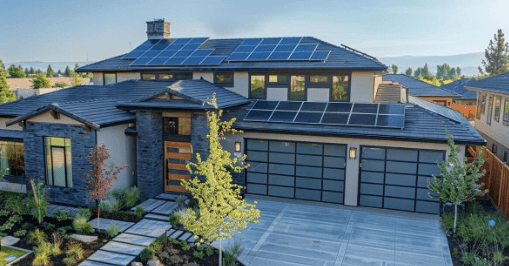
Choosing the right solar system size is one of the most important decisions in any installation project. It directly affects energy production, cost efficiency, and the system’s ability to meet a property’s power needs. A system that is too small may not generate enough electricity, while one that is too large can lead to unnecessary expenses and underutilized capacity. Determining the correct size requires careful evaluation of energy consumption, available space, and environmental conditions. By understanding how system size influences performance, property owners can make informed choices that support long-term efficiency and reliable energy generation.
Sizing Impacts Solar Performance
Matching Energy Consumption with System Capacity
The starting point for determining system size is understanding how much energy a property consumes. This involves reviewing electricity usage over time, including seasonal variations and peak demand periods. A properly sized system should align with these consumption patterns to ensure that energy production meets daily needs. If the system is too small, the property may still rely heavily on grid electricity, reducing the benefits of solar power. On the other hand, an oversized system may produce more energy than needed, which may not always translate into financial advantages depending on local policies. Balancing production with consumption ensures that the system operates efficiently and delivers consistent value.
Available Space and Installation Constraints
The physical space available for installation plays a significant role in determining system size. Roof dimensions, orientation, and structural capacity all influence how many panels can be installed. Shading from nearby structures or trees can further limit usable space, reducing the system’s overall capacity. Contractors evaluate these factors to design a system that maximizes available space while maintaining efficiency. In many cases, companies such as North Valley Solar Power near Chico consider both space limitations and energy requirements to ensure that the system is neither underutilized nor overextended. Proper planning allows for optimal use of the installation area while supporting consistent energy generation.

Financial Considerations and Return on Investment
System size directly impacts the financial aspects of a solar installation. Larger systems typically require higher upfront costs, while smaller systems may offer lower initial investment but reduced energy savings. Finding the right balance is essential for achieving a favorable return on investment. Property owners must consider factors such as installation costs, potential energy savings, and available incentives. A well-sized system ensures that financial resources are used effectively, providing long-term benefits without unnecessary expenditure. Careful evaluation of these factors helps ensure that the system aligns with both budget constraints and energy goals.
Impact on Energy Storage and Backup Systems
The size of a solar system also influences how it interacts with energy storage solutions. Larger systems may generate excess energy that can be stored for later use, while smaller systems may not produce enough surplus to support storage effectively. Proper sizing ensures that storage systems are utilized efficiently, providing backup power when needed without overloading capacity. This balance is particularly important in areas where grid reliability is a concern. By aligning system size with storage capabilities, property owners can enhance energy independence and maintain consistent power availability.
Efficiency and System Performance Over Time
A correctly sized system operates more efficiently and experiences less strain over time. Oversized systems may operate below their full capacity, while undersized systems may be forced to work harder to meet demand. Both scenarios can affect long-term performance and durability. Proper sizing ensures that the system operates within its optimal range, reducing wear and maintaining consistent output. This approach supports long-term reliability and minimizes the need for adjustments or upgrades. Maintaining efficiency over time is essential for achieving the full benefits of a solar installation.
Adapting to Future Energy Needs
Energy needs can change over time due to factors such as household growth, new appliances, or changes in usage patterns. When determining system size, it is important to consider potential future requirements. A system slightly larger than the current needs may provide flexibility for future expansion while still operating efficiently. Contractors often discuss these considerations with property owners to ensure that the system remains suitable over time. Planning for future needs helps avoid additional installations and supports long-term adaptability.
See also: How to Improve Home Security: Essential Tips and Strategies
Balancing Environmental and Practical Considerations
Solar installations are often chosen for their environmental benefits, but practical considerations must also be taken into account. System size should reflect a balance between reducing environmental impact and meeting practical energy requirements. A well-sized system maximizes the use of renewable energy without creating inefficiencies. This balance ensures that the system contributes to sustainability goals while maintaining reliable performance. By considering both environmental and practical factors, property owners can achieve a solution that supports long-term energy management.
System size plays a crucial role in the success of a solar installation, influencing energy production, financial outcomes, and long-term performance. From matching energy consumption to managing installation constraints and future needs, each factor contributes to determining the appropriate system size. Careful planning and evaluation ensure that the system operates efficiently and delivers consistent value over time. By understanding the importance of proper sizing, property owners can make informed decisions that support both immediate benefits and long-term sustainability, ensuring that their solar investment meets their needs effectively.