A spray bottle capping machine can range from around $8,000 for a basic semi-automatic chuck capper to well over $150,000 for a high-speed rotary system with integrated orientation control, and understanding what drives that price range is essential before requesting quotes. This guide breaks down the cost factors behind spray bottle capping equipment, helps you estimate a realistic return on investment, and highlights costs beyond the machine’s sticker price that are easy to overlook, so you can budget accurately for your production line.
What Determines the Price of a Spray Bottle Capping Machine
Capping Mechanism Type
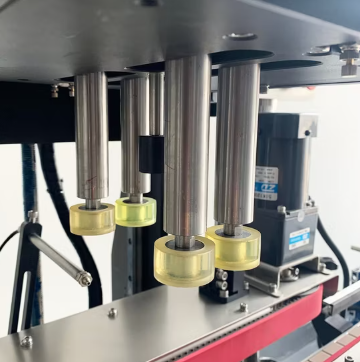
Chuck capping systems, which offer precise individual torque control needed for sensitive trigger sprayers and pumps, generally cost more than simpler spindle systems designed for basic screw-on caps without complex internal mechanisms.
Orientation Control
Machines with built-in cap orientation systems, ensuring the trigger or nozzle consistently faces a specific direction, cost more than standard capping heads due to the added sorting and alignment mechanism required.


Automation Level
Fully automatic systems that handle cap feeding, placement, and application without operator intervention command a significant premium over semi-automatic machines where an operator manually places each cap.
Throughput Speed
Higher-speed systems, particularly rotary machines with multiple capping heads working simultaneously, cost substantially more than standard inline systems due to increased mechanical complexity.
Bottle and Cap Size Flexibility
Machines built with quick-changeover tooling to handle multiple bottle sizes and cap types cost more than single-format dedicated machines, reflecting the added engineering needed for that flexibility.
Build Quality and Materials
Equipment built with food-grade or pharmaceutical-grade stainless steel and washdown-rated components costs more than machines built to lighter industrial standards, but typically offers better long-term durability and easier cleaning, often aligned with production expectations under FDA Good Manufacturing Practice guidelines.
See also: Why Home Inspectors Recommend Hiring a Licensed Plumber for Renovations
Typical Price Ranges by Machine Category
| Machine Category | Typical Price Range | Automation Level |
| Semi-automatic chuck capper | $8,000 – $25,000 | Manual cap placement, automated torque |
| Semi-automatic spindle capper | $10,000 – $30,000 | Manual bottle placement, automated capping |
| Fully automatic inline chuck/spindle system | $30,000 – $80,000 | Fully automatic |
| Fully automatic system with orientation control | $50,000 – $120,000 | Fully automatic |
| High-speed rotary capping system | $100,000 – $250,000+ | Fully automatic, high throughput |
Costs Beyond the Machine’s Purchase Price
- Installation and commissioning: typically 5-15% of machine cost, including calibration specific to your bottle and cap combination.
- Changeover tooling: additional size-specific tooling for different bottle or cap formats is often priced separately from the base machine.
- Operator training: some manufacturers include basic training, while others charge separately, particularly for more advanced orientation-control systems.
- Facility integration: conveyor connections, compressed air supply, or electrical upgrades may be needed depending on the machine’s requirements.
- Ongoing maintenance and spare parts: capping heads, chucks, and belts are wear components that require periodic replacement based on production volume, generally consistent with durability benchmarks referenced in ISO machinery standards.
- Quality verification equipment: torque testing tools or inline torque verification sensors, if not included in the base machine, add to the total investment needed for consistent quality control.
Estimating Return on Investment
A basic ROI estimate for a spray bottle capping machine typically weighs:
- Labor savings: comparing manual capping labor costs against the reduced labor requirement of automated or semi-automated equipment.
- Reduced product loss from capping failures: automated torque control generally produces more consistent seals than manual capping, reducing leaks, product loss, and customer complaints.
- Increased throughput: additional production capacity that becomes valuable when current demand exceeds manual capping capability.
- Reduced repetitive strain injury risk: automating a repetitive manual task can reduce injury-related costs and improve staff retention, though this is harder to quantify directly in a simple payback calculation.
Most manufacturers estimate payback periods for a properly matched spray bottle capping machine in the 1-2.5 year range, depending on production volume, regional labor costs, and how significant the automation improvement is compared to the prior process. General frameworks for structuring this kind of capital expenditure analysis are also available through resources like the U.S. Small Business Administration.
Cost and ROI Decision Flow
Estimate Current Capping Costs Get Machine Quotes withFull ScopeAdd Tooling, Installation, Training Costs Calculate Labor & Waste Savings Estimate Payback PeriodCompare AgainstBudget/Financing Options
Common Costing Mistakes to Avoid
Comparing Base Machine Prices Without Full Scope
Two similarly priced spray bottle capping machines can end up with very different total project costs once tooling, orientation control, and training are factored in. Always request a full-scope quote before comparing options.
Skipping Orientation Control to Save Upfront Cost
If your product’s retail presentation requires consistent nozzle direction, cutting orientation control to reduce initial cost often shifts that cost into manual rework or inconsistent shelf presentation later, which can outweigh the initial savings.
Underestimating Training Needs for Advanced Systems
Machines with orientation control or multiple changeover configurations generally require more operator training than basic systems. Confirm what’s included in the base training package before assuming your team is fully prepared to run the equipment at full speed.
Matching Investment Level to Production Stage
Smaller brands and early-stage operations generally get the best return from semi-automatic chuck or spindle systems, since the lower upfront cost aligns better with limited production volume while still delivering meaningful labor savings over fully manual capping. As volume grows to the point where manual cap placement becomes the clear bottleneck, transitioning to a fully automatic inline system typically becomes the better investment, with orientation control added specifically when retail presentation requires it rather than as a default feature. Reserving high-speed rotary systems for operations that have already validated consistent, high-volume demand helps avoid overinvesting in throughput capacity the business isn’t yet using.
Building an Accurate Business Case
The most reliable business case for a spray bottle capping machine combines a full-scope equipment quote, realistic labor and waste savings specific to your production volume, and a clear view of the additional costs tooling, orientation control, and training that often don’t appear on the initial sticker price. Building this analysis before committing capital gives a far more accurate picture of when the investment will actually pay off.