Smart manufacturing is increasingly evolving in the way industrial processes work with regard to connectivity, automation, and data-based decisions. Remote monitoring technology has proven to be important in this revolution due to its ability to allow companies to monitor manufacturing equipment without frequent physical monitoring. Advanced monitoring technologies involve the use of sensors, cloud technology, and analytical tools to optimize processes while minimizing downtime. The more the competition rises in international business settings, the more such companies benefit from adopting remote tracking technology.
Real-Time Visibility Improves Operational Control
With distant monitoring, manufacturers have direct access to the performance of their machines, productivity levels, and environmental conditions. Multiple production lines can be monitored simultaneously from one dashboard, ensuring that issues are identified early before they turn into serious disruptions. Furthermore, continuous monitoring ensures quick decisions as it allows manufacturers to rely less on inspections that are done at specific times or delayed reports.
Such visibility helps improve the flexibility of the manufacturing process as managers will be able to make immediate changes to processes, distribute resources efficiently, and minimize unnecessary distractions. Additionally, communication between departments becomes easier as the information is accessed by all teams at once. This ensures that manufacturers have efficient cooperation without compromising product quality.


Predictive Maintenance Reduces Costly Downtime
Unexpected breakdowns of machinery pose major economic hazards within manufacturing organizations. The distant monitoring process allows businesses to switch from a reactive approach to maintenance to a predictive maintenance strategy, where they are able to detect any signs that may cause malfunctioning of the machine.
In predictive maintenance, maintenance occurs when there is an issue within the machinery. Thus, businesses avoid unnecessary maintenance activities and minimize chances of experiencing unexpected breakdowns. It is possible for maintenance workers to replace old parts without having to worry about disrupting the productivity levels within the business.
See also: Top 5 Field Service Management Applications For Businesses
Assessing Machine Conditions Strengthens Reliability
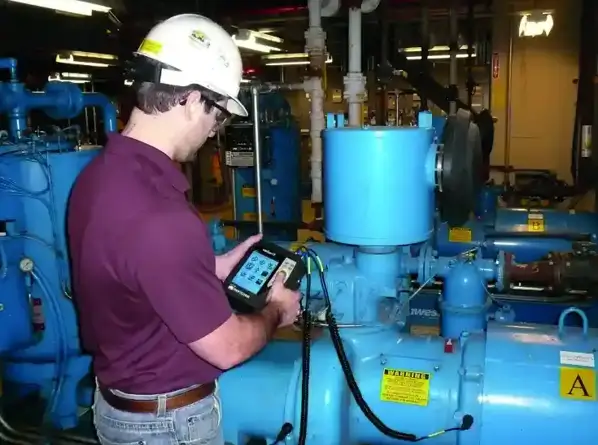
Real-time tracking of machine status ensures that manufacturing companies continue their activities in a safer manner. The sophisticated analysis systems monitor vibration, lubrication, motors, and rotational stability to detect any signs of defects not evident in conventional inspection methods. Organizations that invest in reliable remote vibration monitoring services often gain deeper insight into equipment performance and can identify imbalance, misalignment, or bearing wear before severe damage occurs.
Condition-based monitoring is also essential in achieving compliance with industry safety norms. When important machinery runs within safe parameters, the risk of accidents or unexpected shutdowns in the plant is minimized.
Remote Access Enhances Workforce Efficiency
Today’s manufacturing operations typically include several locations that make direct monitoring difficult. The system of remote tracking allows engineers and managers to examine their operation data from anywhere they want to be at the moment. Thanks to remote access and cloud technology, problems can be fixed much more quickly in situations where it is impossible for a specialist to get there right away.
It positively impacts employees’ productivity since it frees up more time for inspections carried out by professionals. This way, workers are able to concentrate on handling complicated operations instead of taking measurements.
Data-Driven Insights Support Long-Term Growth
Distant monitoring systems provide useful data that can aid in improving the operations. The manufacturing company can use this information to analyze trends in production, energy efficiency, maintenance, and equipment utilization to determine any areas of inefficiency. Such analysis will enable better decision-making in terms of profit maximization and competitive advantage.
The data generated by the remote analysis system can aid in achieving environmental sustainability goals. The facility is able to detect inefficient energy consumption, minimize wastage, and improve resource management. With the tightening of environmental laws, it would be beneficial for the manufacturing firm to have a system that can monitor performance indicators easily. Additionally, it would be easier to adapt to any technological changes in the future by investing in scalable remote tracking systems.The role of remote monitoring technology in smart manufacturing cannot be overemphasized since it increases visibility, improves maintenance practices, improves equipment reliability, and promotes growth through data analytics. Companies adopting such innovations experience improved resilience without unnecessary wastage of resources and surprise breakdowns in operations. In the ever-evolving industrial landscape, remote tracking will continue playing a critical role in productivity a