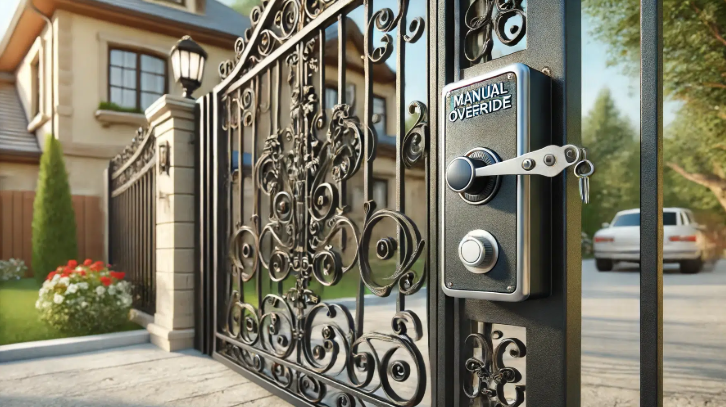
Many homeowners start with a manual gate because it is simple and affordable. Over time, however, opening and closing a heavy gate every day can become inconvenient, especially in bad weather or at night. This is why more people are interested in automatic gate conversion. The good news is that you do not always need to hire a professional automatic gate installer. With the right tools and planning, it is possible to install an electric gate opener yourself and enjoy a more comfortable and secure home.
Automatic gates are no longer a luxury product. Today, there are many budget-friendly automation options designed for homeowners who want to handle installation on their own. Whether you have a sliding gate or a swing gate, modern auto gate opener systems are built to be user-friendly and reliable.
Why Convert a Manual Gate to an Automatic Gate?
Converting a manual gate into an automatic one brings daily convenience. Instead of getting out of your car, you can open the gate with a remote, keypad, or smartphone. This is especially helpful for families, older homeowners, or anyone who uses the gate several times a day.


An automatic gate also improves security. A closed and powered gate is harder to force open compared to a manual gate that relies only on a lock. For many people, automatic gate conversion is part of a larger home improvement plan that focuses on safety and ease of use.
Understanding DIY Gate Opener Systems
A diy gate opener is designed for homeowners who want to handle installation without advanced technical skills. These systems usually come as an auto matic gate opener kit that includes the motor, control board, remote controls, and mounting hardware.
Most kits are made to work with standard residential gates. As long as your gate structure is solid and moves smoothly, installing an auto gate opener is a realistic DIY project. Manufacturers now design these kits with clear instructions, making them suitable even for first-time installers.
Choosing the Right Gate Opener for Your Home
Before starting the project, it is important to understand your gate type. Some homes use swing gates that open inward or outward, while others use sliding gates that move along a track.
If your gate moves sideways, an automatic sliding gate opener is the correct choice. These openers are designed to handle horizontal movement and usually require a stable track and a firm base for the motor. Sliding gate openers are popular for driveways with limited space.
Swing gates use a different type of motor that pushes or pulls the gate leaf. In both cases, choosing the right auto gate opener ensures smooth operation and long-term reliability.
Is DIY Installation a Good Idea?
Many homeowners worry that they must hire an automatic gate installer. While professional installation is helpful, it is not always necessary. If you are comfortable using basic tools and following instructions, you can install an electric gate opener yourself.
DIY installation works best when the gate is already in good condition. The gate should open and close easily by hand before automation. If the gate is bent, dragging, or unstable, these issues should be fixed first.
Doing it yourself also allows more control over costs. A budget-friendly automation project avoids labor fees and lets you choose features that match your needs instead of paying for extras you may not use.
See also: Quick Fixes for Jammed Locks: Easy Solutions at Home
Preparing Your Gate for Automatic Conversion
Preparation is one of the most important steps in automatic gate conversion. Before installing the opener, the gate must be aligned correctly and move smoothly. This reduces strain on the motor and extends its lifespan.
Power supply planning is also important. Some homeowners prefer a wired system connected to household electricity. Others choose a solar gate opener kit, which is ideal for locations far from power outlets or for people who want an energy-saving solution.
Solar gate opener kits have improved a lot in recent years. They store energy in batteries and can operate reliably even in areas with limited sunlight, as long as the system is sized correctly.
Installing an Electric Gate Opener Yourself
Once preparation is complete, installation can begin. Most auto matic gate opener kits are designed to be mounted directly onto the gate or nearby posts. The motor connects to the gate using brackets that allow controlled movement.
The control board is usually placed inside a weather-resistant box. Wiring connects the motor, power source, and safety devices. Many modern systems include safety features like auto-stop and obstacle detection, which are important for family homes.
Testing is a key part of the process. Before regular use, the gate should be opened and closed several times to ensure smooth movement. Adjustments may be needed to set opening speed and stopping points.
Automatic Sliding Gate Openers for DIY Users
An automatic sliding gate opener is often chosen for wide driveways or properties with limited swing space. These systems use a gear-driven motor that moves the gate along a rail.
DIY users appreciate sliding gate openers because the gate’s movement is predictable and stable. As long as the track is level and clean, the installation process is straightforward. Many homeowners find that sliding gate systems are easier to fine-tune compared to swing gates.
Using a Solar Gate Opener Kit
A solar gate opener kit is a popular option for homeowners focused on budget-friendly automation and energy efficiency. Solar systems reduce electricity costs and are ideal for rural or off-grid properties.
Installing a solar gate opener kit requires positioning the solar panel where it receives enough sunlight. The battery stores power for night use and cloudy days. While initial setup takes some planning, daily operation is simple and reliable.
Solar systems are especially useful for DIY projects because they avoid complex underground wiring. This makes installation cleaner and faster.
Common Mistakes to Avoid During Installation
One common mistake is installing the opener on a gate that does not move freely. Automation does not fix mechanical problems; it only amplifies them. Ensuring smooth manual movement is essential.
Another issue is incorrect alignment of the motor and brackets. Small alignment errors can cause noise, vibration, or uneven movement. Taking time during installation prevents long-term problems.
Skipping safety features is also risky. Photo sensors and auto-stop functions protect people, pets, and vehicles. Even for budget-friendly automation, safety should never be ignored.
DIY vs Professional Automatic Gate Installer
Hiring an automatic gate installer saves time and reduces risk, but it also increases cost. DIY installation is ideal for homeowners who enjoy hands-on projects and want full control over the setup.
Many people choose a hybrid approach. They install the gate opener themselves but consult a professional for wiring or troubleshooting. This balance keeps costs low while ensuring safety.
Long-Term Maintenance of an Auto Gate Opener
Once installed, an auto gate opener requires regular maintenance. Keeping the gate clean, checking bolts, and testing safety sensors helps prevent issues. Solar gate opener kits also need occasional battery checks.
With proper care, a quality auto matic gate opener kit can last for many years. DIY users often find maintenance easier because they understand how the system was installed.
Final Thoughts on DIY Automatic Gate Conversion
Converting a manual gate into an automatic one is a rewarding home improvement project. With modern diy gate opener systems, homeowners can achieve professional-level results without professional-level costs.
Whether you choose an automatic sliding gate opener or a solar gate opener kit, careful planning and patience are the keys to success. If you are comfortable with basic tools and enjoy home projects, installing an electric gate opener yourself is a practical and budget-friendly automation solution.
An automatic gate adds convenience, security, and value to your home. With the right approach, DIY automatic gate conversion is not only possible, but also highly satisfying.